

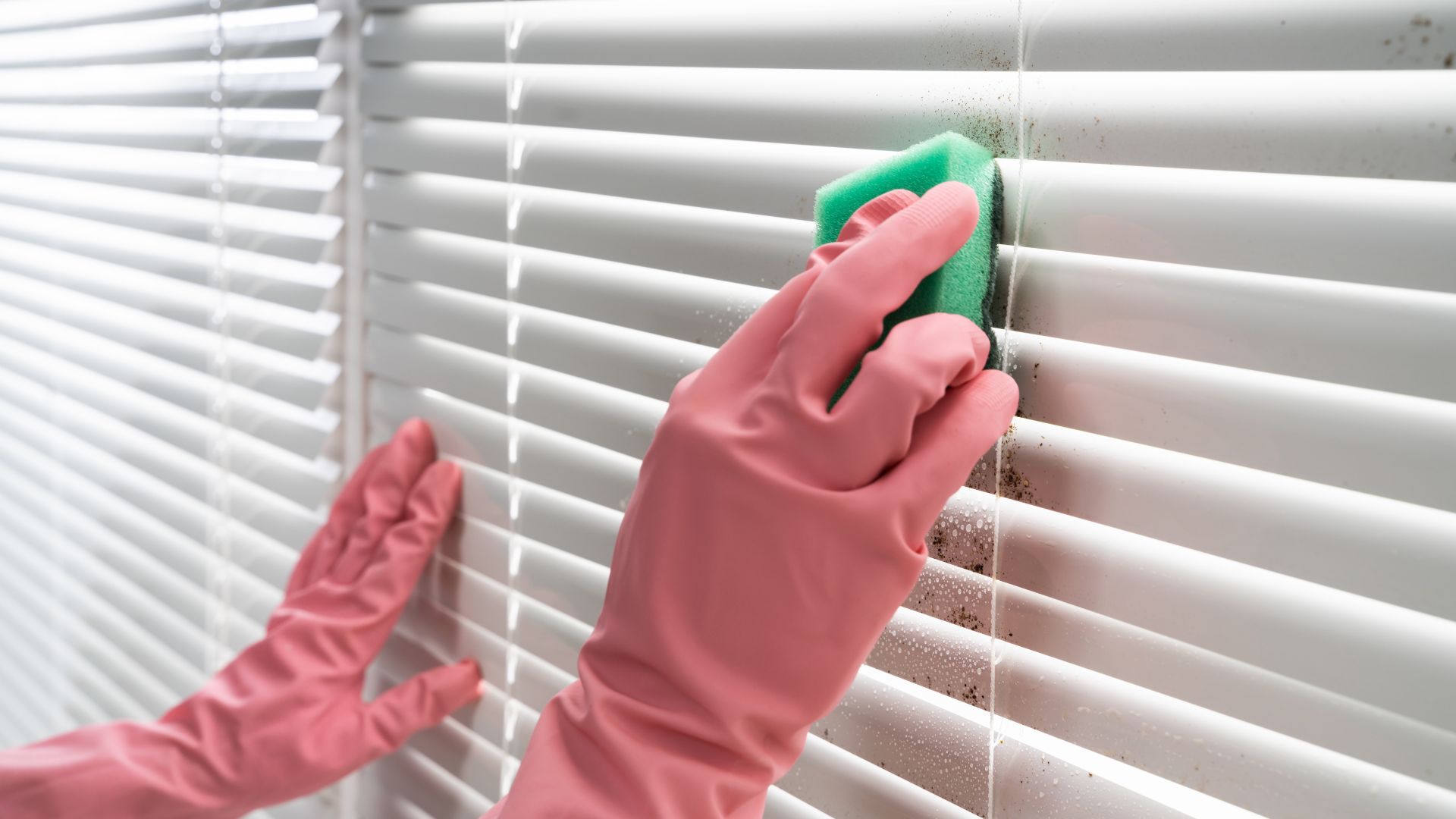
Blinds collect more dust and grime than most people realize, and eventually every homeowner ends up asking the same question. Is this something to handle on a Saturday afternoon, or is it worth calling in a professional? The answer really depends on what kind of blinds you have, how dirty they’ve gotten, and how much time you actually want to spend on it.
What DIY Blind Cleaning Actually Involves
For light, regular upkeep, cleaning your own blinds is completely reasonable. A microfiber duster or a vacuum with a brush attachment can handle everyday dust buildup on most blind types. For a deeper clean, a lot of people take blinds down, wipe each slat with a damp cloth, and let them air dry before rehanging them.
This works fine for basic maintenance, especially on simpler blind styles like aluminum or PVC. It’s inexpensive, doesn’t require any special equipment, and keeps dust from building up between more thorough cleanings.
Where DIY Cleaning Starts to Fall Short
The trouble is that a lot of window treatments aren’t as simple as a quick wipe down. Fabric blinds, cellular shades, and certain wood blinds are much more delicate, and using the wrong cleaning method can actually cause damage instead of fixing the problem.
Water can warp real wood blinds if it isn’t handled correctly. Fabric blinds can stain, shrink, or hold onto odors if they’re not cleaned with the right technique. Even something as simple as taking blinds down and rehanging them can be trickier than expected, especially with larger windows or motorized systems.
There’s also the buildup that never really goes away with basic cleaning. Dust, allergens, and grime settle deep into the folds of cellular shades and the texture of fabric blinds over time, and a duster or a damp cloth just isn’t enough to get all of it out.
What Professional Cleaning Actually Does Differently
Professional blind cleaning uses equipment and techniques designed specifically for the materials involved. Ultrasonic cleaning, for example, uses sound waves in a water bath to remove dirt and grime from deep within the blind’s structure, something that simply isn’t possible with a cloth and some elbow grease.
This matters most for delicate materials. Fabric blinds, cellular shades, and wood blinds all respond differently to cleaning, and using the right method for each one means you get a genuinely deep clean without risking damage to the material.
Professional cleaning also tends to catch issues that go unnoticed with regular at home cleaning, like allergen buildup that regular dusting never fully removes, or discoloration that’s developed over time from sunlight and grime combined.
Time Is a Real Factor
Cleaning an entire home’s worth of blinds by hand takes a lot longer than people expect. Taking blinds down, cleaning each one individually, and rehanging them can turn into an entire weekend project, especially in a larger home with a lot of windows. Professional cleaning gets this done in a fraction of the time, and often without the blinds even needing to come off your windows for basic cleaning services.
Cost Considerations
DIY cleaning is essentially free beyond whatever cleaning supplies you already have at home. Professional cleaning does come with a cost, but it’s worth weighing against the value of your time, the risk of damaging delicate materials, and the fact that a proper deep clean can actually extend the life of your window treatments.
Replacing damaged blinds because of an at home cleaning mistake often ends up costing far more than a professional cleaning service would have in the first place.
A Good Rule of Thumb
For basic dusting and light upkeep between deeper cleanings, doing it yourself makes plenty of sense. But for a genuine deep clean, especially on fabric blinds, cellular shades, wood blinds, or any window treatment that’s delicate or expensive to replace, professional cleaning is generally the safer and more effective route.
It’s also worth having blinds professionally cleaned periodically even if you keep up with regular dusting yourself. A deep clean once or twice a year removes buildup that day to day maintenance simply can’t reach.
What This Looks Like With Window Decor Store
At Window Decor Store, we’ve been cleaning and caring for window treatments across Southeastern Michigan for over 30 years of combined industry experience. Our team uses advanced cleaning methods suited to whatever material your blinds, shades, or drapes are made of, and we handle everything with the kind of care that keeps delicate materials looking like new.
We offer blind, drapery, and shade cleaning for both homes and businesses, and we’re happy to walk you through which cleaning approach makes the most sense for your specific window treatments.
If you’re not sure whether your blinds need a DIY refresh or a full professional clean, give us a call at or fill out the form on our website. We’re open Monday through Friday from 9:00am to 4:30pm and happy to help you figure out the right approach.
Frequently Asked Questions
Can we clean fabric blinds ourselves without damaging them?
It’s risky, since fabric blinds can stain, shrink, or hold onto odors if they’re not cleaned the right way.
Professional cleaning uses methods built specifically for delicate materials like fabric, so it’s usually the safer route for anything beyond light dusting.
Is it okay to use water on wood blinds?
Not without some caution. Water can warp real wood blinds if it isn’t handled correctly, so a dry dusting approach is usually a better bet for everyday upkeep.
How often should blinds get a deep clean?
Once or twice a year tends to be a good baseline for most homes. Regular dusting handles surface dust, but a deeper clean removes buildup that day to day maintenance can’t reach. For more information, check out our blog How Frequent Should You Clean Your Blinds, Shades, & Drapes?
What’s the benefit of ultrasonic cleaning over cleaning blinds by hand?
Ultrasonic cleaning uses sound waves in a water bath to remove dirt and grime from deep within the blind’s structure. That level of clean simply isn’t possible with a cloth, no matter how much effort goes into it.
Is professional cleaning worth the cost compared to doing it ourselves?
For delicate materials, usually yes. Replacing blinds damaged from an at home cleaning mistake often ends up costing more than a professional cleaning would have in the first place.