

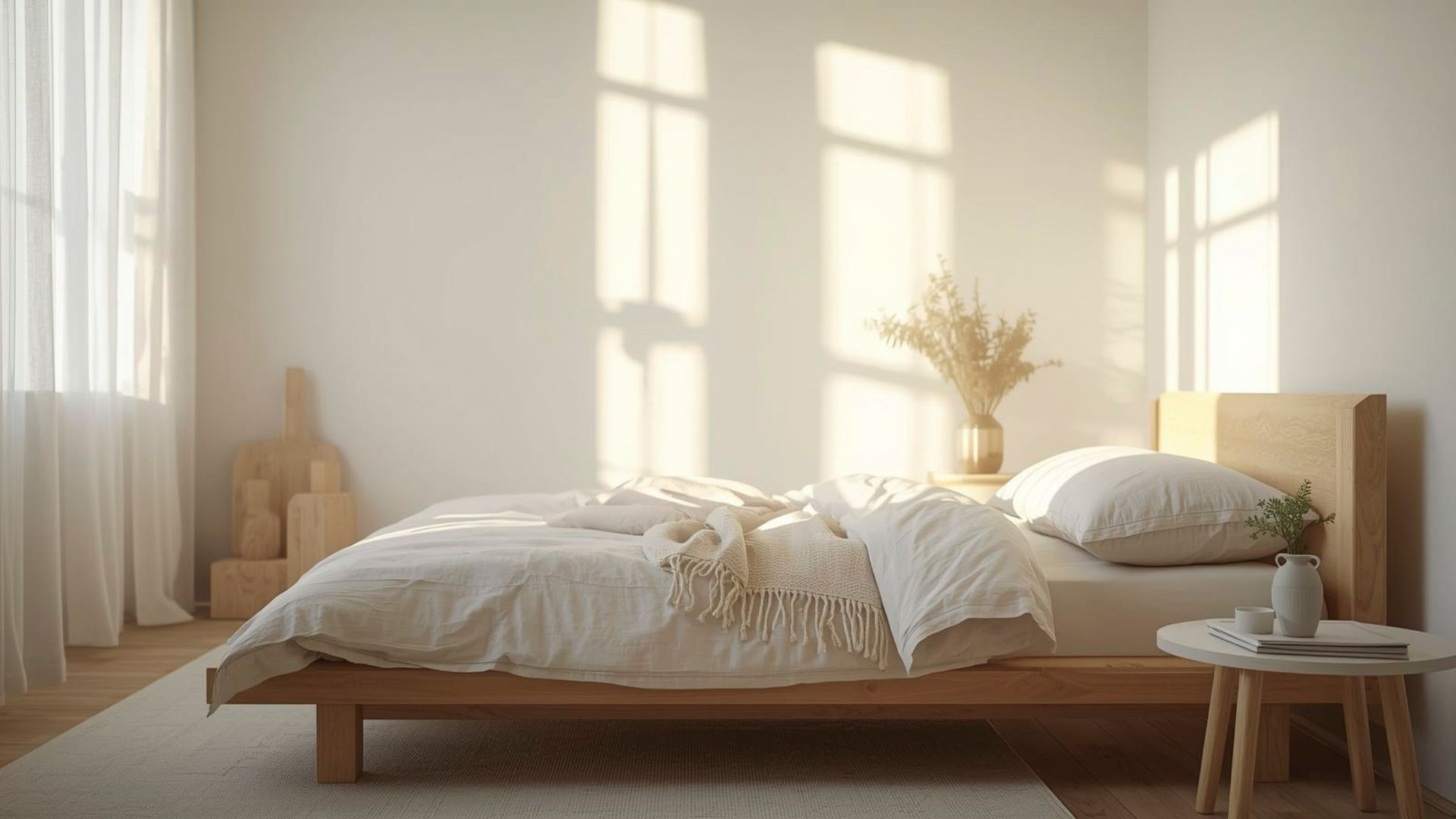
Your bedroom is the one room in your home where everything should be working in your favor. The temperature, the noise level, the comfort of your mattress, and yes, the quality of your darkness at night. It is easy to spend hundreds of dollars on a great pillow or a weighted blanket while completely overlooking the windows, which often have a bigger impact on sleep quality than either of those things. Bedroom window shades are not just a decorative detail. They are a functional tool that can meaningfully improve how well you sleep and how good your room looks every single day.
The challenge is that bedrooms have layered requirements that other rooms do not. You need darkness at night for restful sleep, but you might want natural light in the morning to help you wake up. You need privacy around the clock, but you do not want the room to feel like a bunker during the day. You want something that looks beautiful and suits your decor, but it also has to perform reliably for years. That combination of demands makes the bedroom one of the most important rooms to get right.
The best bedroom window shades balance light control, privacy, and style in a way that matches how you actually use the room. Cellular blinds and layered treatments combining a sheer with a blackout shade are the top choices for most bedrooms because they offer the most flexibility across different times of day and seasons.
Why Light Control Matters More in the Bedroom Than Anywhere Else
The science here is clear and worth taking seriously. According to the Sleep Foundation, exposure to light at night suppresses the production of melatonin, the hormone responsible for signaling to your body that it is time to sleep. Even low levels of ambient light from a streetlamp or an early morning sunrise filtering through inadequate bedroom window shades can disrupt this process and reduce both the depth and duration of your sleep.
This is not a minor inconvenience. Chronic sleep disruption has been linked to everything from reduced cognitive function and mood instability to increased risk of cardiovascular problems over time. Choosing bedroom window shades that genuinely block light is not a luxury upgrade. It is one of the most practical investments you can make in your daily health and well-being.
For Michigan homeowners, this issue is especially relevant in summer when daylight stretches well past 9 p.m., and the sun rises before 6 a.m. A bedroom that works perfectly in December can become uncomfortably bright by June without the right window treatment in place. Planning for seasonal light variation when choosing your bedroom window shades will save you a lot of frustration down the road.
Blackout vs. Room Darkening: Understanding the Difference
These two terms are often used interchangeably, but they are not the same thing, and the distinction matters when you are shopping for bedroom window shades. Blackout treatments block virtually all light from passing through the fabric itself. Room-darkening treatments block the majority of light but still allow a small amount of glow around the edges or through the weave of the material. For most sleepers, both work well. For light-sensitive sleepers, shift workers, or young children, a true blackout is the better choice.
It is also worth noting that even a blackout shade will allow some light in around the edges if it is not installed with side channels or inside the window frame. The fabric itself may be completely opaque, but the gap between the shade and the wall on either side can still let in a strip of light. If complete darkness is the goal, look for bedroom window shades with a close-fit installation or pair them with drapes that extend well beyond the window frame on all sides.
Cellular blackout blinds are among the best-performing options in this category because their structure naturally sits close to the window and minimizes light gaps better than a standard roller shade. They also add meaningful insulation to the window, which is a real bonus in Michigan winters when cold air radiating off the glass can make a bedroom feel significantly cooler than the rest of the house.
Why Cellular Blinds Are a Top Choice for Bedrooms
Cellular blinds consistently rank as one of the best bedroom window shades available, and for good reason. Their honeycomb construction traps air in small pockets that act as insulation against both heat and cold, which helps regulate the temperature in your bedroom without putting extra strain on your heating and cooling system. In a room where comfort is the entire point, thermal performance is a genuine quality-of-life benefit.
What makes cellular blinds especially well-suited to bedrooms is the top-down, bottom-up functionality available in many models. This feature allows you to lower the shade from the top of the window while keeping the bottom raised, or raise it from the bottom while keeping the top section covered. In a bedroom, this means you can let morning light in through the upper portion of the window without exposing yourself to the street below, which is a genuinely useful feature for ground-floor or street-facing bedrooms.
Double-cell and triple-cell options provide even higher insulation values and a noticeably more substantial, premium look and feel. For master bedrooms in particular, where the investment in quality tends to be higher, and the room sees more daily use, upgrading to a double-cell cellular blind in a room-darkening or blackout fabric is one of the best single decisions you can make for the space.
Roller Shades: Clean, Simple, and Surprisingly Versatile
If your bedroom leans modern or minimalist, roller shades are an excellent choice. They have a clean, unfussy profile that disappears into the window architecture when raised and provides a flat, streamlined look when lowered. Blackout roller shades in particular have become very popular as bedroom window shades because they are easy to operate, come in a wide range of colors and textures, and do a reliable job of blocking light when the fabric is a true blackout weave.
One of the best things about roller shades in a bedroom context is how naturally they pair with other treatments. A blackout roller shade installed close to the glass, with soft fabric drapes hung on either side, gives you the light control you need at night and the warmth and texture you want during the day. The roller shade does the functional work while the drapes handle the aesthetics, which is a division of labor that produces excellent results in almost any bedroom style.
The Case for Layering Your Bedroom Window Treatments
Layering is the single most flexible approach to bedroom window shades, and it is also the approach most commonly used in well-designed bedrooms. The basic formula is a functional inner layer close to the glass, typically a cellular blind or roller shade in a room-darkening fabric, combined with a decorative outer layer of drapes that can be opened or closed independently. This setup lets you adjust your light and privacy at two levels simultaneously rather than being locked into one setting.
In practical terms, this might look like a light-filtering cellular blind for daytime use paired with a blackout roller shade that you only pull down at bedtime. Or a sheer drape that softens the room during the day with a heavier rod pocket or pinch pleat drape pulled closed at night. The specific combination depends on your preferences and your room, but the principle is consistent: more layers means more control, and in a bedroom, control over your environment is everything.
Adding a valance at the top of your layered window treatment is a finishing touch that makes the whole setup look intentional and complete. Valances frame the window, cover the hardware, and draw the eye upward in a way that makes ceilings feel taller. For bedrooms where the window is a focal point of the room, a coordinating valance pulls the entire design together with minimal effort and cost.
Matching Your Bedroom Window Shades to Your Decor
Function comes first in a bedroom, but that does not mean style has to be an afterthought. The best bedroom window shades do both well, and there are enough options on the market today that you should not have to sacrifice one for the other. The key is starting with your light control requirements and then finding a product that meets those requirements in a color, texture, and style that works with the rest of the room.
For traditional or transitional bedrooms, wood blinds or fabric cellular shades in warm neutrals like linen, cream, or soft taupe blend beautifully with layered bedding and upholstered furniture. For modern or contemporary rooms, roller shades in cool grays, muted whites, or even bold solid colors make a clean statement without adding visual clutter. For rustic or farmhouse-style bedrooms, woven wood shades or natural fabric blinds echo the organic textures that define those interiors.
Motorized bedroom window shades are worth considering if you have large windows, high windows, or simply prefer the convenience of adjusting your shades without getting out of bed. A motorized blackout shade that lowers on a schedule as part of your evening routine is one of those upgrades that sounds like a luxury until you have it, at which point it becomes something you wonder how you ever lived without.
Sleep Better Starting With the Right Window Treatment
The bedroom deserves more attention than most homeowners give it when it comes to window treatments. The right choice affects your sleep, your privacy, your energy bills, and how much you genuinely enjoy spending time in that room. Getting it right is not complicated once you understand what you need, and the payoff is something you experience every single night.
At Window Decor Store, we help Michigan homeowners find bedroom window shades that check every box, from blackout cellular blinds and layered drape combinations to motorized options and custom sizing for every window. Contact us today and let us help you find bedroom window shades that make a real difference in how your room looks and how well you sleep.
Frequently Asked Questions
What are the best window shades for a bedroom?
Cellular blinds in a blackout or room-darkening fabric are widely considered the best bedroom window shades because they combine strong light control with excellent insulation. Roller shades with a blackout fabric are also a top choice, particularly in modern or minimalist bedrooms. For maximum flexibility, layering a functional shade with a decorative drape gives you control over light and privacy at any time of day.
What is the difference between blackout and room darkening shades?
Blackout shades block virtually all light through the fabric itself, while room-darkening shades reduce the majority of light but may still allow a faint glow at the edges or through the weave. For most sleepers, room-darkening shades work well. For shift workers, very light-sensitive sleepers, or young children, true blackout shades are the better investment. Installation method also affects performance, since gaps around the frame can let in light regardless of the fabric type.
Should I use blinds or curtains in a bedroom?
The most effective approach is to use both. Blinds or shades close to the glass handle the functional work of light blocking and privacy, while curtains or drapes add softness, insulation, and decorative impact. Layering the two gives you far more flexibility than relying on either one alone. If budget or simplicity is a priority, a good blackout cellular blind can handle both roles effectively on its own.
Are cellular blinds good for bedrooms?
Yes, cellular blinds are one of the best options available for bedrooms. Their honeycomb construction provides excellent insulation against both heat and cold, which helps maintain a comfortable sleeping temperature year-round. Available in light-filtering and blackout fabrics, and in top-down, bottom-up configurations, they offer a level of versatility that few other bedroom window shades can match. They also fit closely to the window, which helps minimize light gaps better than many other shade styles.
How do I keep morning light out of my bedroom?
A true blackout shade or blind installed inside the window frame with minimal side gaps is the most effective solution. Adding blackout drapes that extend well beyond the window frame on all sides further reduces light bleed around the edges. For Michigan homeowners dealing with early summer sunrises, this combination is particularly worthwhile. Motorized blackout shades that close on a timer are another excellent option for keeping morning light out without any manual effort.
What window treatments work best for a master bedroom?
Master bedrooms benefit most from a layered approach that combines a high-quality blackout or room-darkening shade with decorative drapes on either side. Double-cell cellular blinds in a blackout fabric are a popular choice for their insulation, light control, and premium appearance. Motorized options are also worth considering in a master bedroom, where the convenience of automated adjustment from the bed adds genuine daily value. Pairing any of these bedroom window shades with a coordinating valance finishes the look and frames the window beautifully.
Window Decor Store proudly serves homeowners & businesses across Michigan, including Washtenaw County, Oakland County, Livingston County, and parts of Macomb, Wayne, and Lapeer County. Questions about privacy window treatments or any of our window covering services? Contact our team today.